Careers in the Automotive Sector
Jobs in the automotive industry span far beyond factory assembly lines, encompassing engineering roles, design positions, service technicians, supply chain management, and emerging electric vehicle specializations. This article breaks down the actual career opportunities available in 2026, the skills employers demand, and how to navigate a sector undergoing rapid transformation. You’ll discover specific roles, salary expectations, and what it takes to build a sustainable career in automotive.
Manufacturing and Production Roles
Assembly Line Technicians and Production Supervisors
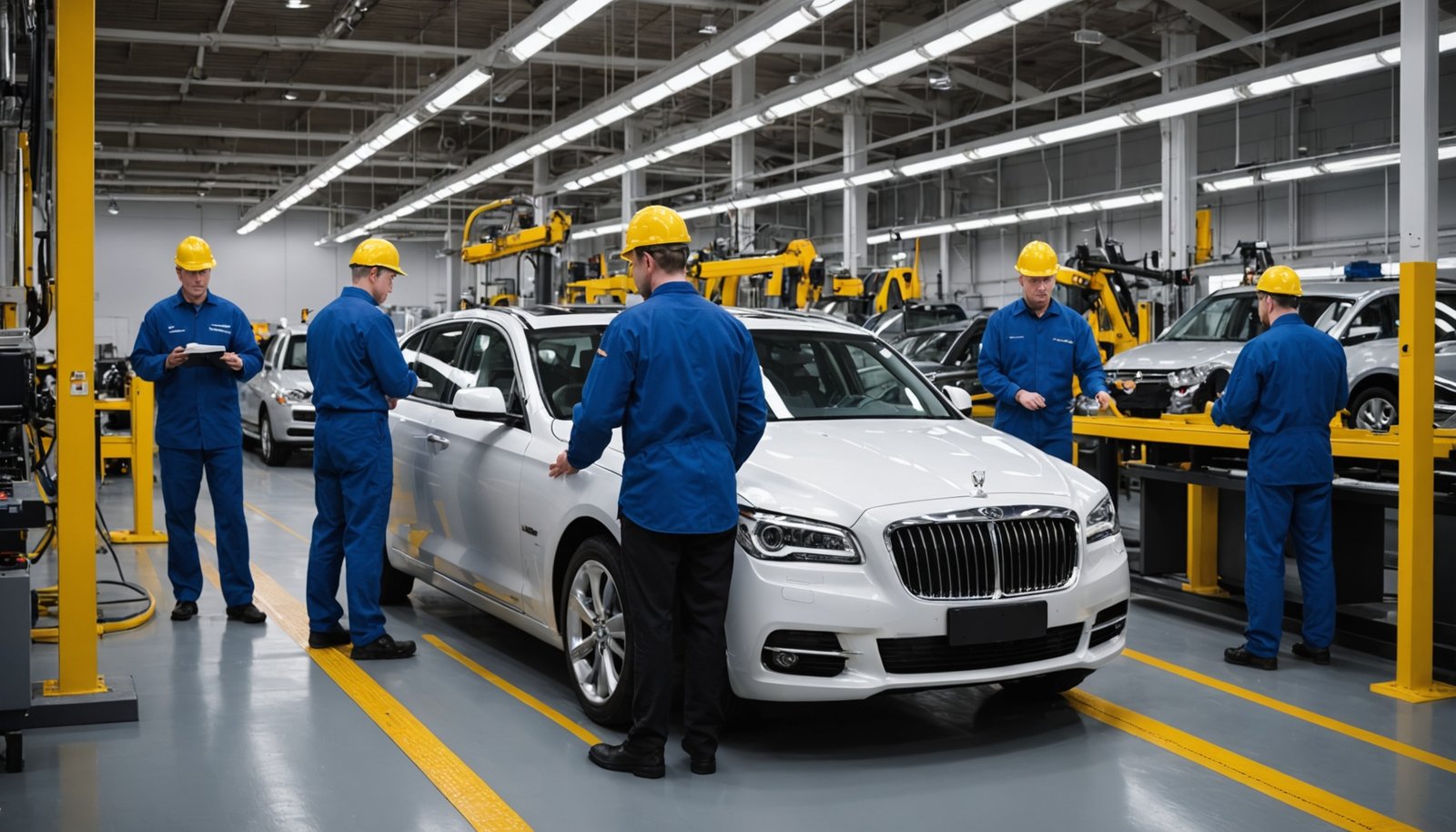
Assembly line technicians remain the backbone of automotive manufacturing, responsible for putting together vehicle components with precision and speed. These roles require manual dexterity, attention to detail, and the ability to follow strict quality standards. Modern manufacturing plants use a mix of human workers and robotic systems, so technicians must often work alongside automation while performing tasks robots cannot handle efficiently. The job typically involves standing for extended periods, repetitive motions, and adherence to safety protocols that have become increasingly rigorous across the industry.
Production supervisors oversee teams of technicians, manage workflow, track productivity metrics, and ensure quality control standards are met. This position requires leadership skills, problem-solving ability, and deep knowledge of manufacturing processes. Many supervisors advance into these roles after several years as technicians, though some companies now prefer candidates with associate degrees in manufacturing or engineering technology. The role bridges the gap between floor operations and management, making it ideal for people who enjoy both hands-on work and leadership responsibilities.
Quality Control and Inspection Specialists
Quality control inspectors examine vehicles and components at various stages of production, using both manual inspection and automated testing equipment. They identify defects, document issues, and work with production teams to prevent problems before they reach consumers. This role demands meticulous attention, understanding of technical specifications, and sometimes familiarity with computer systems that track quality data. Many manufacturers now employ statistical process control methods, so inspectors need basic statistical knowledge and the ability to interpret data trends.
Inspection specialists often work in dedicated quality departments rather than on the assembly line. They maintain detailed records, perform destructive testing on sample units, and communicate findings to engineering teams. The role has gained importance as manufacturers face recalls and warranty issues, making quality expertise highly valued. Some specialists pursue certification through organizations that recognize quality management expertise, which can lead to higher wages and advancement opportunities.
Engineering and Technical Development
Automotive Engineers and Design Specialists
Automotive engineers design and develop vehicles, components, and systems, working across mechanical, electrical, software, and structural disciplines. A typical automotive engineer spends time in computer-aided design (CAD) software, running simulations, testing prototypes, and collaborating with cross-functional teams. The role requires a bachelor’s degree in engineering, often with specialization in mechanical, electrical, or automotive engineering. Many employers prefer candidates with experience using industry-standard software like CATIA, ANSYS, or SOLIDWORKS, though they’re often willing to train capable engineers on their specific tools.
Design specialists focus specifically on vehicle aesthetics, ergonomics, and user interface design. This subset of automotive engineering combines technical knowledge with creative thinking, requiring designers to balance form with function. Interior designers ensure cabins are comfortable, intuitive, and appealing, while exterior designers create shapes that balance aerodynamics with visual appeal. These roles often attract people with backgrounds in both engineering and industrial design. The emergence of electric vehicles has created new design challenges around battery placement, weight distribution, and thermal management, opening fresh opportunities for specialists with knowledge of these emerging areas.
Software and Electronics Engineers
Software engineers in automotive work on vehicle control systems, infotainment platforms, driver assistance features, and autonomous driving technology. The role demands strong programming skills and familiarity with languages like C, C++, Python, and sometimes real-time operating systems. As vehicles become increasingly software-dependent, automotive companies compete aggressively for software talent, often offering salaries comparable to tech industry positions. Many engineers come from general software backgrounds and transition into automotive, bringing mobile app development, cloud computing, or embedded systems expertise.
Electronics engineers design electrical systems, power distribution networks, sensor integration, and battery management systems, particularly for electric vehicles. They work with schematics, circuit design, and integration testing to ensure electrical systems function reliably under real-world conditions. The transition to electric powertrains has dramatically increased demand for these specialists, as EV battery management requires sophisticated electronics that differ substantially from traditional fuel systems. Engineers with power electronics experience, high-voltage system knowledge, or battery management system expertise command premium compensation in today’s market.
Skilled Trades and Service Positions
Automotive Technicians and Master Mechanics
Automotive service technicians diagnose and repair vehicles, requiring extensive knowledge of mechanical systems, electrical components, and increasingly, computer diagnostics. This role traditionally required hands-on training and experience, though many technicians now pursue formal education through vocational programs or manufacturer training. A certified automotive technician typically holds ASE (Automotive Service Excellence) certification, which involves passing exams that validate expertise across different vehicle systems. The job demands problem-solving skills, as technicians must identify issues that may stem from multiple interconnected systems.
Master mechanics represent the highest level of expertise in service departments, often supervising other technicians and handling complex diagnostic work that stumps less experienced specialists. These positions require years of hands-on experience and typically involve training, mentoring, and sometimes management responsibilities. Many service departments now require technicians to maintain current certifications and pursue continuing education, as vehicles become more technologically advanced. The shift toward electric vehicles is changing what technicians must know, with less emphasis on traditional engine work and more focus on battery systems, electric motors, and high-voltage safety procedures.
Diesel Engine Specialists and Heavy Equipment Technicians
Diesel technicians specialize in heavy trucks, construction equipment, and commercial vehicles, working on larger engines and more robust mechanical systems than passenger car technicians. This specialty commands higher wages than general automotive service roles, particularly in regions with significant commercial trucking industries. Diesel work requires understanding of fuel injection systems, turbochargers, and heavy-duty transmissions, plus familiarity with regulations governing commercial vehicle maintenance and emissions. Many technicians complete formal diesel technology programs at trade schools before entering the field.
Heavy equipment technicians work on construction machinery, agricultural equipment, and industrial vehicles, often requiring field service work at job sites or in mobile service units. These roles appeal to people who enjoy variety and outdoor work, as technicians travel to different locations and face diverse equipment challenges. The position often pays well due to the specialized knowledge required and the critical nature of keeping commercial equipment operational. Some technicians work for dealer networks, while others operate independently or work directly for construction and mining companies.
Sales, Management, and Business Operations
Vehicle Sales Consultants and Sales Managers
Vehicle sales consultants work directly with customers, helping them select vehicles that meet their needs and budgets. While often associated with dealerships, sales roles now extend to manufacturer direct sales channels and online platforms. Successful sales consultants combine product knowledge with interpersonal skills, helping customers navigate financing options and understanding features. The role has evolved with changing consumer preferences, with more customers researching online before visiting showrooms, requiring consultants to pivot toward consultation rather than traditional sales pressure tactics.
Sales managers oversee sales teams, set targets, manage inventory, and coordinate with manufacturers on allocation and promotions. This position requires both sales experience and business acumen, as managers track metrics like customer acquisition cost, average selling price, and customer satisfaction scores. Many dealers struggle to fill these roles, as they require balancing sales targets with customer satisfaction metrics. The position offers advancement into general management roles within dealership organizations, making it appealing for people seeking career growth within the automotive retail sector.
Supply Chain and Procurement Specialists
Supply chain specialists manage the complex logistics of sourcing parts, managing inventory, and ensuring components arrive at manufacturing plants on time. Automotive supply chains are notoriously intricate, with parts sourced from multiple suppliers across different countries, all requiring coordination to meet production schedules. These roles demand analytical skills, vendor relationship management, and familiarity with supply chain software systems. The 2020s have highlighted the importance of supply chain expertise, as chip shortages, shipping disruptions, and regulatory changes have made procurement increasingly strategic.
Procurement specialists focus specifically on purchasing decisions, negotiating contracts with suppliers, and ensuring quality standards are met. This position requires negotiation skills, understanding of cost structures, and ability to evaluate multiple suppliers’ offerings. Many companies now seek procurement specialists with sustainability knowledge, as automotive manufacturers increasingly consider environmental impact when selecting suppliers. These roles often pay well and offer clear advancement paths into supply chain management and operations leadership.
Emerging and Specialized Automotive Careers
Electric Vehicle Specialists and Battery Technicians
Electric vehicle specialists have emerged as one of the fastest-growing roles in the automotive sector, as manufacturers transition away from internal combustion engines. These professionals work on battery systems, electric motor technology, charging infrastructure, and thermal management specific to EVs. Many come from traditional automotive backgrounds while others transition from electrical utilities, renewable energy sectors, or software development. The role combines traditional automotive knowledge with electrical engineering principles and sometimes software expertise, making it accessible to candidates from diverse backgrounds.
Battery technicians specifically focus on lithium-ion battery systems, cell chemistry, thermal management systems, and battery pack assembly. This specialty emerged only recently but has become critical as companies invest billions in EV development. Battery technicians may work in manufacturing, diagnostics, or research and development. Some specialize in battery recycling and second-life applications, an emerging field as the first generation of EV batteries reaches end-of-life. These positions offer competitive compensation and job security, as battery expertise remains scarce and highly valued across the industry.
Autonomous Vehicle Development and Testing
Autonomous vehicle developers work on self-driving technology, including sensors, algorithms, mapping systems, and safety validation. These roles attract talent from software engineering, robotics, computer vision, and machine learning backgrounds. Major automotive manufacturers and tech companies have established dedicated autonomous vehicle divisions, creating roles for systems engineers, test coordinators, and safety specialists. The field remains relatively young, with positions concentrated in innovation hubs like Silicon Valley, Detroit, and emerging tech centers in various countries.
Test engineers and safety specialists for autonomous vehicles focus on validating that self-driving systems perform safely across diverse road conditions and scenarios. This work involves designing test protocols, analyzing failure modes, and documenting performance data for regulatory approval. The role requires meticulous attention to safety, as autonomous vehicle failures carry significant consequences. Many companies hire people with aerospace safety, medical device quality assurance, or critical systems backgrounds, as these industries have established safety validation methodologies applicable to autonomous vehicles.
Customer Service and Experience Roles
Customer Service Representatives and Technical Support Specialists
Customer service representatives in automotive work for dealerships, manufacturers, or warranty companies, handling customer inquiries, complaints, and service scheduling. The role has expanded significantly with digital communication channels, as customers now contact companies via email, chat, social media, and phone. Representatives need product knowledge, problem-solving ability, and patience when handling frustrated customers. Many positions offer remote work options, particularly for companies supporting nationwide or global customer bases.
Technical support specialists help customers troubleshoot vehicle issues, often providing guidance on infotainment systems, mobile app connectivity, or basic maintenance. As vehicles become more technology-dependent, technical support roles have grown. Some manufacturers now employ specialists who understand their specific vehicle software, mobile apps, and connected services. The role bridges technical knowledge and customer service, requiring both understanding of vehicle systems and ability to communicate clearly with non-technical customers.
Customer Experience Designers and Service Advisors
Customer experience designers at dealerships and manufacturers focus on improving how customers interact with the brand throughout their ownership journey. This role combines research, psychology, and business strategy, requiring understanding of customer needs and pain points. Designers work on dealership layout, service department processes, online experiences, and warranty communication. The position appeals to people interested in both automotive and user experience design, often attracting candidates with backgrounds in customer research, interaction design, or business process improvement.
Service advisors work in dealership service departments, acting as the main contact between customers and technicians. They assess customer needs, explain recommended repairs, and coordinate scheduling. The role requires product knowledge, communication skills, and ability to build customer trust. Many service advisors advance into service manager positions, overseeing entire service departments. The job offers more direct customer interaction than many technical roles, appealing to people who enjoy relationship-building and want to understand customer perspectives on vehicle performance and reliability.
| Career Path | Typical Education | Salary Range | Career Growth |
|---|---|---|---|
| Assembly Line Technician | High School / On-the-job Training | $35,000 – $55,000 | Production Supervisor, Lead Technician |
| Automotive Technician (ASE Certified) | Vocational Program / Apprenticeship | $40,000 – $70,000 | Master Mechanic, Service Manager |
| Quality Control Inspector | High School / Associate Degree | $38,000 – $62,000 | Quality Manager, Engineering Role |
| Automotive Engineer | Bachelor’s Degree in Engineering | $65,000 – $120,000 | Senior Engineer, Engineering Manager |
| Software Engineer (Automotive) | Bachelor’s Degree in Computer Science | $80,000 – $150,000 | Senior Software Architect, Technical Lead |
| Supply Chain Specialist | Bachelor’s Degree in Business / Supply Chain | $55,000 – $95,000 | Supply Chain Manager, Operations Director |
| EV Battery Technician | Technical Training / Bachelor’s Degree | $50,000 – $85,000 | Battery Systems Engineer, R&D Specialist |
| Vehicle Sales Consultant | High School / Sales Training | $30,000 – $80,000 (commission-based) | Sales Manager, Dealership Management |
Education Paths and Skill Development
Vocational Programs and Trade Schools
Vocational schools and community colleges offer specific training in automotive service, manufacturing, and related fields. These programs typically require one to two years of full-time study and combine classroom instruction with hands-on training in actual shop environments. Many programs partner with automotive manufacturers or dealership networks, ensuring curriculum remains current with industry practices. Graduates often enter the field immediately after completing their program, with many earning competitive wages without accumulating significant student debt.
Trade school programs for automotive technicians cover engine systems, electrical systems, transmission and drivetrain, heating and air conditioning, and increasingly, hybrid and electric vehicle technology. Many programs now include sections on diagnostic technology and computer systems, as modern vehicles rely heavily on electronic controls. Some schools offer specialized tracks focusing on diesel, heavy equipment, or specific manufacturer systems. Career counselors at trade schools can guide students toward specialties with strong job market demand in their geographic area.
Bachelor’s Degree Programs and Engineering Education
Bachelor’s degree programs in automotive engineering, mechanical engineering, electrical engineering, and related fields provide the foundation for engineering and advanced technical roles. These four-year programs combine theoretical knowledge with practical projects, often including capstone design projects where students work on real automotive challenges. Many universities partner with automotive manufacturers, offering internship opportunities and sometimes recruiting heavily from their programs. A bachelor’s degree opens doors to engineering positions, management tracks, and advanced technical roles that command higher compensation.
Engineering students benefit from exposure to industry-standard software like CATIA, MATLAB, ANSYS, and vehicle simulation tools before entering the workforce. Many universities also partner with SAE International, an organization that connects students with automotive industry professionals and provides access to competitions where students design and build vehicles. These experiences make graduates more competitive during job searches. Some engineers pursue master’s degrees or MBA programs to specialize in areas like autonomous vehicles, battery technology, or manufacturing management.
Frequently Asked Questions
What are the most in-demand jobs in the automotive industry right now?
Electric vehicle specialists, software engineers, battery technicians, and skilled service technicians represent the most in-demand roles currently. Manufacturers and suppliers are investing heavily in EV technology, creating shortages of qualified professionals in these areas. Additionally, traditional roles like experienced mechanics remain difficult to fill, as fewer young people enter the trades. Supply chain and procurement specialists are also highly sought after, particularly those with experience managing global supplier networks and navigating recent supply chain disruptions.
Do I need a college degree to work in the automotive industry?
Many automotive careers do not require a four-year degree. Skilled trades like automotive technicians, mechanics, and manufacturing technicians can be learned through vocational programs, apprenticeships, or on-the-job training. However, engineering positions, management roles, and specialized technical jobs increasingly require at least a bachelor’s degree. Some companies offer tuition assistance or educational programs to help employees advance without formal degrees, particularly for promising workers showing strong performance in technical roles.
How is the electric vehicle transition affecting automotive job opportunities?
The EV transition is creating new opportunities while reducing demand for some traditional roles. Manufacturing plants are being retooled for EV production, requiring different skills than conventional vehicle assembly. Service technicians need new training in electric motors and battery systems, as EV maintenance differs significantly from internal combustion engine repairs. Software and electronics roles are expanding rapidly, while some traditional engine-focused positions are declining. Overall, the sector continues creating jobs, though workers may need to update skills to remain competitive.
What salary can I expect in automotive industry jobs?
Salaries vary significantly based on role, experience, location, and company size. Manufacturing technicians typically earn between $35,000 and $55,000 annually, while experienced master mechanics can earn $60,000 to $85,000 or more. Engineers with bachelor’s degrees start around $65,000 and can reach $120,000 or higher with experience. Software engineers in automotive often earn more than traditional automotive roles, sometimes $80,000 to $150,000 or beyond. Commission-based sales roles can vary widely, from $30,000 to $80,000 or more depending on performance and vehicle prices. Geographic location significantly affects compensation, with higher costs of living areas paying more across all roles.
What skills are most important for automotive industry careers?
Technical skill is fundamental across most automotive roles, whether that means diagnostic ability for technicians or programming skills for software engineers. Problem-solving ability matters across the industry, as automotive work involves troubleshooting complex systems. Attention to detail is critical for quality, safety, and manufacturing roles. Communication skills benefit everyone, from technicians explaining repairs to customers to engineers collaborating across departments. Additionally, willingness to learn continuously is increasingly important, as vehicle technology evolves rapidly and workers must adapt to new systems, tools, and processes throughout their careers. For roles involving customer interaction, interpersonal skills and patience are equally important as technical knowledge.
Related Career and Insurance Topics
If you’re interested in other automotive industry career paths, consider exploring jobs in car insurance industry, which offers different career trajectories within the automotive ecosystem. Understanding insurance also helps if you’re working in sales or customer service roles in automotive, as these professionals often discuss coverage with customers.
For those working in automotive service or customer-facing roles, familiarity with insurance processes is valuable. Learning about how to file a car insurance claim helps you better assist customers who need to understand the claims process after vehicle damage or accidents.
Service advisors and customer service representatives also benefit from understanding <a href