High Risk Car Insurance: Finding Coverage & Saving
Car insurance for high risk drivers is a specialized coverage category designed for people whose driving history, age, or circumstances put them in a riskier category from an insurer’s perspective. This article walks you through what determines high risk status, how premiums are calculated, and concrete strategies to reduce what you pay. You’ll also discover legitimate pathways to move out of the high risk category over time.
What Defines a High Risk Driver
How Insurance Companies Assess Risk Level
Insurance companies evaluate risk through a combination of personal data, driving history, and vehicle information. When underwriters review your application, they’re looking for patterns that suggest you’re more likely to file a claim. The assessment goes beyond a single accident or ticket—insurers use statistical models based on thousands of claims to predict future behavior. A single speeding ticket might not trigger high risk status, but multiple violations within a short timeframe will.
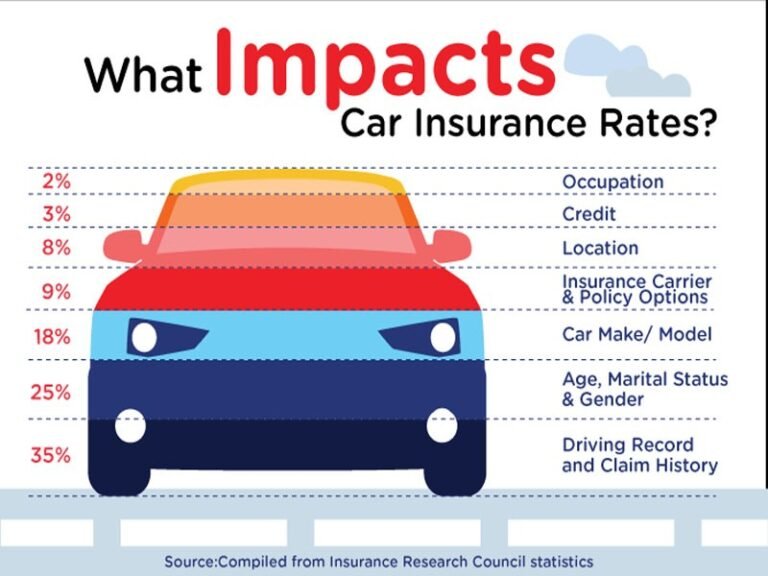
The underwriting process starts with your Motor Vehicle Record, or MVR. This document contains every traffic violation, accident, and license suspension on your record. Insurers also check claims history databases to see what you’ve filed in the past. Some companies weight recent violations more heavily than older ones. A DUI from three years ago is viewed differently than one from last month. Beyond driving history, insurers consider your age, the type of vehicle you drive, your credit score (in most states), and even your zip code, as accident rates vary by location.
Common Reasons for High Risk Classification
Several specific situations typically result in high risk classification. DUI or DWI convictions are among the most serious—these automatically place drivers in high risk pools. Multiple traffic violations within a few years, such as reckless driving, speeding in construction zones, or failure to maintain liability insurance, also trigger this status. At-fault accidents, especially multiple accidents in quick succession, signal elevated risk to insurers.
Other common reasons include driving without a valid license, suspended or revoked license reinstatement, and convicted traffic offenses. Teen drivers are often automatically placed in high risk categories due to age and inexperience, even without incident. Similarly, drivers over 65 sometimes face higher rates, though this varies by state and insurer. Drivers who have lapsed coverage or been dropped by previous insurers for non-payment face high risk classification as well. Some insurers also consider whether you’ve failed to disclose violations or accidents when applying, which can bump you into high risk status even retroactively.
- DUI, DWI, or other alcohol-related convictions
- Multiple traffic violations in a short period
- At-fault accidents, especially multiple claims
- Reckless driving or negligent operation charges
- Driving without a valid license or suspended license
- Non-payment or policy cancellation history
- Young age combined with limited driving experience
- Major moving violations like hit-and-run
How Premiums Are Calculated for High Risk Drivers
Factors That Increase Your Insurance Cost
Premiums for high risk drivers are built on a multiplier system. Insurance companies establish a base rate for a clean driving record, then apply surcharges based on your specific risk factors. A driver with a DUI might see their rate multiplied by 1.5 to 3 times the standard rate. Multiple violations or accidents compound these increases. The number of violations, their recency, and severity all play a role. A speeding ticket 10 years ago has minimal impact compared to one from last year.
The type of violation matters significantly. A reckless driving conviction carries a heavier surcharge than a minor speeding ticket. At-fault accidents often increase rates more than tickets, since they represent an actual claim payout. Drivers who filed multiple claims within five years may see even steeper increases. Geographic location influences the base rate before multipliers are applied—urban areas with higher accident rates typically have higher base rates than rural regions. The vehicle you drive also affects the premium; sports cars and high-performance vehicles cost more to insure than sedans or minivans.
Time-Based Premium Reduction Strategies
Most states allow insurers to surcharge high risk drivers, but many also mandate that these surcharges decrease over time. The rate reduction timeline varies by state and violation type. A traffic ticket might fall off the surcharge calculation after three to five years of clean driving, while a DUI might require seven to ten years. Each year without a new violation or accident typically results in a small rate decrease. This is why patience and discipline on the road are valuable—simply maintaining a clean driving record for an extended period automatically improves your insurance rate.
Some insurers offer specific programs that accelerate this timeline. Defensive driving courses, completed within a certain period after a violation, can reduce surcharges by 5 to 10 percent in many states. Telematics programs, which monitor your actual driving behavior using your phone or a device plugged into your vehicle, demonstrate safe habits to insurers. Drivers who participate in these programs and maintain clean records for extended periods may qualify for more substantial discounts than the standard time-based reduction.
| Violation Type | Typical Rate Increase | Surcharge Duration (Years) | Time to Remove from Record |
|---|---|---|---|
| Minor speeding (1-10 mph over) | 10-15% | 3 years | 5-7 years |
| Major speeding (20+ mph over) | 25-40% | 5 years | 7-10 years |
| Reckless driving | 50-100% | 7 years | 7-10 years |
| At-fault accident | 35-50% | 5 years | 5-7 years |
| Multiple violations (2-3) | 60-150% | 7 years | 7-10 years |
| DUI/DWI | 150-300% | 7-10 years | 10+ years |
Coverage Options and Limitations for High Risk Drivers
What Coverage Is Available to You
High risk drivers can still obtain full coverage options, though they come at higher cost. Liability coverage, which pays for damage you cause to others, is mandatory in every state and available to all drivers regardless of risk level. Collision and comprehensive coverage, which cover damage to your own vehicle, are also available but more expensive. Uninsured motorist coverage, medical payments, and other add-ons remain accessible to high risk drivers as well.
The key difference is availability and pricing. Some standard insurers refuse high risk drivers entirely and direct them to specialty carriers who focus on this segment. These specialty insurers, sometimes called “non-standard” or “high risk” carriers, typically offer coverage options comparable to standard insurers but at substantially higher rates. The trade-off for high risk drivers is acceptance and coverage availability in exchange for cost. Many high risk drivers find that over time, as their driving record improves, they can transition to standard insurers with lower rates.
Restrictions and Policy Conditions
High risk policies sometimes come with specific conditions. Some insurers may require a higher deductible, such as $1,000 or $2,500 instead of the standard $500. This means you pay more out of pocket before the insurance coverage kicks in, reducing the insurer’s exposure. Policy cancellation rules may also be stricter—insurers can be quicker to cancel or non-renew policies for high risk drivers who don’t maintain a perfect record during their policy period. Some insurers require payment in full upfront rather than offering monthly payment plans, reducing their risk of non-payment.
Certain add-ons may be excluded or cost more. For instance, roadside assistance might carry an additional fee, or some insurers may exclude rental car reimbursement. These restrictions vary by carrier and your specific risk profile. When comparing quotes, pay attention to these conditions alongside premium cost. Sometimes a slightly higher premium with better coverage terms is worth more than a lower premium with heavy restrictions.
- Higher deductibles ($1,000 or more instead of $500)
- Limited payment options (full payment required upfront)
- Shorter cancellation notice periods
- Stricter policy non-renewal criteria
- Limited availability of specialized endorsements
- Mandatory safety course completion requirements
- Use of telematics or monitoring devices
- Restrictions on coverage areas or usage types
Strategies to Lower Your High Risk Insurance Rates
Improving Your Driving Record and Behavior
The most effective long-term strategy is simply driving safely. Each year without a violation or accident improves your risk profile. After three to five years of clean driving, most rate surcharges begin to decrease, and after seven to ten years, they typically disappear entirely. This requires discipline and patience, but it’s the most reliable path to standard rates. Set a personal goal to never receive another ticket or cause an accident. Use technology to help—set your phone to silent while driving, leave extra early to avoid rushing, and avoid driving in poor weather or at night when you’re tired.
Beyond avoiding violations, demonstrate commitment to safe driving practices. Take a defensive driving course even if your state doesn’t offer a discount for it. These courses teach techniques to avoid accidents and can genuinely make you a safer driver. Some insurers recognize course completion through lower rates; others simply respect the initiative. Practice consistent habits like always wearing your seatbelt, never speeding, and maintaining proper following distance. Dash cams installed in your vehicle can protect you if an accident occurs, proving fault isn’t yours.
Shopping Around and Negotiating Better Rates
High risk drivers should shop for insurance quotes at least annually, ideally every six months. Rates change based on your record improvement, company policies, and competitive pressures. A carrier that quoted you high today might be more competitive in six months. Getting quotes from at least three to five different insurers ensures you’re seeing the full range of pricing available. Some specialty carriers compete aggressively for high risk business, offering significantly better rates than others. Online quote comparison tools make this process faster, though calling carriers directly sometimes reveals better quotes than online systems.
When you find a better rate elsewhere, contact your current insurer and ask if they can match it or provide a loyalty discount. Many insurers prefer to keep customers at a slight discount rather than lose them. Be straightforward: tell them you’ve received better quotes elsewhere and ask what they can do to keep your business. Some will adjust your rate; others will offer policy adjustments or additional discounts. If they refuse, switching to the lower-cost carrier is often the better financial decision. Don’t stay with an insurer out of loyalty if you’re paying significantly more than alternatives charge.
- Get quotes from at least 3-5 different carriers every 6-12 months
- Ask current insurer to match or beat competing quotes
- Compare not just price but coverage limits and deductibles
- Ask about all available discounts: bundling, safety features, payment discounts
- Request a Paid-in-Full discount if you can pay your annual premium upfront
- Inquire about loyalty discounts after 1-2 years of clean claims history
- Consider switching carriers if savings exceed 15-20% of current premium
Discounts and Programs Specifically for High Risk Drivers
Telematics and Usage-Based Insurance Programs
Telematics programs, often called usage-based or “pay-as-you-drive” insurance, have become powerful tools for high risk drivers to prove they’re changing their behavior. These programs use a mobile app or small device plugged into your vehicle’s diagnostic port to monitor your actual driving. The system tracks hard braking, rapid acceleration, speeding, time of day you drive, and total miles. Safe drivers who demonstrate good habits can earn discounts of 10 to 30 percent or more. For high risk drivers, telematics programs serve as proof of behavioral change to insurance companies.
The major advantage for high risk drivers is that telematics judges you on current behavior rather than past mistakes. Even if your record includes violations, telematics programs show insurers that you’re driving safely now. Many high risk drivers experience significant premium reductions after six to twelve months of safe driving tracked by these programs. The data also provides personal feedback—you can see exactly when and how you’re driving unsafely, which helps you adjust behavior. Some carriers offer substantial multi-year discounts for high risk drivers who maintain safe driving records through telematics monitoring, sometimes reducing rates by 25 to 50 percent compared to standard high risk rates.
Safety Features and Bundling Discounts
Vehicle safety features can reduce your insurance rate even as a high risk driver. Anti-theft devices, airbags beyond the standard complement, blind-spot monitoring, automatic emergency braking, and adaptive cruise control all demonstrate that your vehicle is equipped to prevent accidents. Installing an aftermarket dash cam or GPS tracking system can also qualify for discounts. These discounts are typically modest, 5 to 10 percent, but they add up when combined with other savings.
Bundling your auto insurance with home, renters, or umbrella policies through the same carrier often provides the largest discount available to high risk drivers. Bundling discounts frequently range from 15 to 25 percent. For high risk drivers, this means bundling can effectively reduce your auto premium by hundreds of dollars annually. Some carriers offer these discounts only to customers with clean records, but many apply them to all policyholders, including high risk drivers, as an incentive to consolidate insurance needs. Before switching carriers for lower auto rates, check whether your current homeowners or renters insurance would stay more expensive elsewhere—losing a bundled discount could negate savings.
Special Situations: Youth, Age, and Reinstatement Drivers
Young Driver Programs and Building Credit History
Teen drivers are often classified as high risk simply due to age and inexperience, even without accidents or violations. Insurance companies recognize that drivers under 25 have significantly higher accident rates statistically. Some carriers offer young driver programs designed to help teens build clean driving records while managing costs. These programs typically require parental oversight through monitoring apps, may include telematics programs, and sometimes offer rate reductions for good grades or completion of driver education courses.
Young drivers should focus on building a clean record from the beginning. Every year without violations or accidents reduces their rates and builds history with their current insurer, making rate increases less dramatic when claims occur. Some young drivers benefit from being added to a parent’s policy if the parent has a clean record, though this varies by family situation and state. Alternatively, maintaining a policy in their own name demonstrates independence and responsibility to future insurers. Parents can help by subsidizing coverage costs while the young driver works toward premium reduction through clean driving.
License Reinstatement and SR-22 Requirements
Drivers whose licenses are suspended or revoked due to DUI, multiple violations, or non-payment of tickets face additional challenges. When reinstating a suspended license, many states require proof of financial responsibility through an SR-22 form. This form, also called a Certificate of Financial Responsibility, is filed by your insurer with the state to verify you have minimum liability coverage. SR-22 requirements typically last three years but can extend longer depending on the reason for suspension.
Drivers with SR-22 requirements face high risk classification, expensive premiums, and strict cancellation policies. Any lapse in coverage automatically revokes your license again. The key is maintaining continuous coverage without interruption. After the SR-22 period ends and your license is fully reinstated, you can remove the SR-22 requirement and begin the process of moving to standard insurers. During the SR-22 period, maintaining perfect driving behavior is critical—a single new violation extends the requirements and significantly increases rates. Speciality carriers focus on SR-22 drivers, so shopping among these carriers yields the best rates and service tailored to your situation.
- SR-22 requirements typically last 3 years from reinstatement
- Any coverage lapse automatically revokes your reinstated license
- Some states require suspension of driving privileges before reinstating
- Completion of defensive driving school often required
- All tickets and violations must be paid before reinstatement
- Expect rates 3-5 times higher than standard rates with SR-22
- Switch to standard carriers once SR-22 requirement ends
Frequently Asked Questions
How long does it take to move from high risk to standard insurance rates?
The timeline depends on the nature and severity of violations on your record. Minor violations like speeding tickets typically clear from rate calculations after three to five years of clean driving. Major violations like reckless driving or at-fault accidents usually require five to seven years. DUI or DWI convictions can require seven to ten years or longer before you’re considered standard risk again. Some states have specific rules about how long violations affect rates. Your best approach is to maintain a perfect driving record from now forward—every year without incidents brings you closer to lower rates, even if the original violation remains on your record.
Can I get full coverage with high risk insurance, or am I limited to liability?
You can obtain full coverage including collision and comprehensive insurance as a high risk driver. The difference is cost—full coverage for high risk drivers costs significantly more than for standard risk drivers. You’re not limited to liability only, though some high risk drivers choose liability-only coverage to save money if their vehicle is older or financed with less value. The choice is yours, but discuss coverage options carefully with your insurer or agent. If you have a loan on your vehicle, your lender typically requires collision and comprehensive coverage, so full coverage isn’t optional in those cases.
Will high risk status prevent me from getting insurance at all?
Genuine refusal is rare if you live in a state with high-risk insurance pools or assigned-risk plans. These state-run programs exist specifically to ensure that even drivers with serious violations can obtain the minimum liability insurance required by law. If standard insurers won’t cover you, your state insurance commissioner’s office can direct you to your state’s assigned risk plan. This is a last resort—rates in assigned risk pools are very expensive—but it guarantees coverage. Additionally, specialty carriers focus specifically on high risk drivers and are usually willing to provide coverage. You may need to call multiple carriers, but finding coverage is typically possible. The challenge is affordability, not availability.
Should I consider a higher deductible to lower my premium?
Higher deductibles definitely lower premiums for high risk drivers, sometimes by 20 to 30 percent. The question is whether you have savings to cover a higher deductible if you cause an accident. If you choose a $1,000 or $2,500 deductible but can’t actually pay that amount, you’re financially exposed. Consider your emergency savings and financial situation honestly. If you have six months or more of expenses in savings, you can afford a higher deductible and benefit from the lower premium. If you’re living paycheck to paycheck, a lower deductible despite higher premiums provides better protection. Some high risk drivers choose high deductibles on collision (which is less likely to be used) while keeping lower deductibles on comprehensive coverage.
How does how to file a car insurance claim work if I’m a high risk driver?
The claim