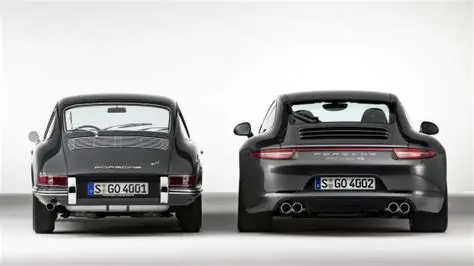
When it comes to buying a car, enthusiasts and everyday drivers alike often face the age-old dilemma: classic cars vs. modern cars. Each has its own appeal, advantages, and drawbacks. Your choice will depend on your lifestyle, budget, and personal preferences. Let’s break down the key differences to help you make an informed decision.
What Are Classic Cars?
Classic cars are typically vehicles that are 20-50 years old, with some enthusiasts also considering cars older than 50 years as “vintage.” These vehicles are often cherished for their timeless design, nostalgia, and historical value. Examples include the Ford Mustang (1960s), Chevrolet Camaro, and Porsche 911 (early models).
Pros of Owning a Classic Car:
- Unique Style & Charm: Classic cars often stand out in a sea of modern vehicles.
- Potential Investment: Well-maintained classic cars can appreciate in value over time.
- Driving Experience: Many enthusiasts enjoy the raw, mechanical feel of older vehicles.
Cons of Owning a Classic Car:
- Maintenance Costs: Parts can be expensive and harder to find.
- Safety & Technology: Classic cars lack modern safety features like airbags, ABS, or lane assist.
- Fuel Efficiency: Older engines tend to consume more fuel.
For a deeper dive into classic car ownership, you can check out Hemmings Classic Cars.
What Are Modern Cars?
Modern cars, in contrast, are vehicles produced in the last decade or so. They feature the latest technology, safety standards, and fuel efficiency improvements. Popular examples include the Tesla Model 3, Toyota Camry, and Ford F-150.
Pros of Owning a Modern Car:
- Advanced Safety Features: Modern cars come with airbags, traction control, and collision warning systems.
- Fuel Efficiency & Environmentally Friendly: Many modern cars have hybrid or electric options.
- Reliability: Newer vehicles often require less maintenance and have warranties.
Cons of Owning a Modern Car:
- Depreciation: New cars lose value quickly in the first few years.
- Lack of Character: Some drivers find modern cars too uniform or lacking personality.
- Higher Initial Cost: Advanced technology comes at a premium price.
For more information on modern car benefits, visit Edmunds.
Key Factors to Consider When Choosing
- Purpose: Are you buying a car for daily commuting, weekend cruises, or as an investment?
- Budget: Classic cars can have hidden costs, while modern cars depreciate quickly.
- Maintenance & Repairs: Can you handle DIY repairs or prefer a car that runs smoothly out-of-the-box?
- Lifestyle & Preferences: If you value style and nostalgia, classic cars shine. If safety and technology are priorities, modern cars win.
Classic Cars vs. Modern Cars: A Quick Comparison
| Feature | Classic Cars | Modern Cars |
|---|---|---|
| Style & Design | Timeless, unique | Streamlined, functional |
| Safety | Basic, fewer features | Advanced safety technology |
| Maintenance | High, parts scarce | Low, easier & cheaper |
| Investment Potential | Often appreciates | Usually depreciates |
| Driving Experience | Mechanical & nostalgic | Smooth & tech-driven |
Conclusion: Which Should You Get?
Ultimately, the decision between classic cars vs. modern cars depends on what you value most. If you crave nostalgia, style, and potential investment, a classic car is a great choice. If you prefer safety, reliability, and modern features, then a modern car will better suit your needs.
Some enthusiasts even blend the best of both worlds by restoring classic cars with modern technology—a strategy that combines style, comfort, and performance.