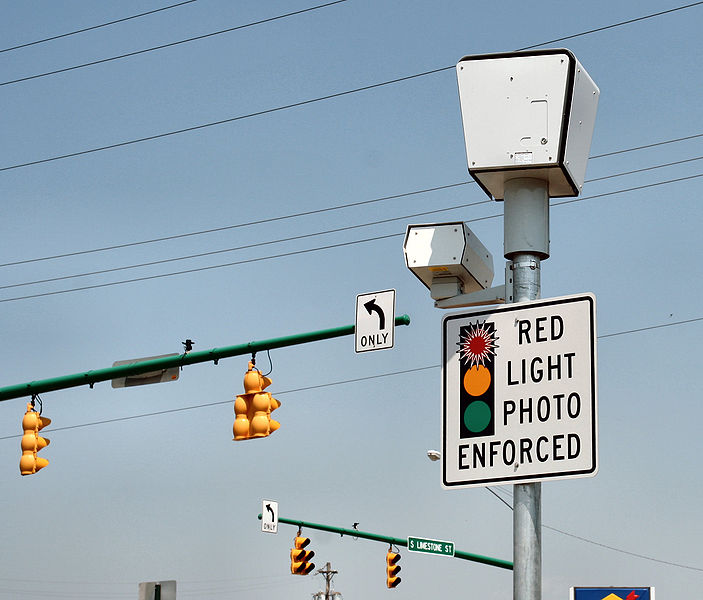
Driving is a daily activity for millions of people around the world, but not everyone drives safely. Accidents, traffic violations, and road rage incidents are all too common. This is where defensive driving comes in. But what exactly is defensive driving, and why is it important? In this article, we’ll break down everything you need to know about defensive driving, including its benefits, techniques, and resources for learning more.
What is Defensive Driving?
Defensive driving is a proactive approach to driving that focuses on anticipating potential hazards, avoiding accidents, and making safe decisions behind the wheel. Unlike aggressive driving, which prioritizes speed and assertiveness, defensive driving emphasizes awareness, patience, and careful judgment. The goal is to reduce the risk of collisions and keep yourself, passengers, and other road users safe.
Why Defensive Driving Matters
According to the National Highway Traffic Safety Administration (NHTSA), human error is a factor in over 90% of traffic accidents. Defensive driving equips drivers with the skills to:
- Anticipate hazards – Recognize potential dangers before they occur.
- Respond appropriately – Make safe decisions in emergency situations.
- Avoid accidents – Reduce collisions caused by distracted or reckless drivers.
- Lower insurance costs – Many insurance providers offer discounts for defensive driving courses.
By practicing defensive driving, you not only protect yourself but also contribute to overall road safety.
Key Defensive Driving Techniques
Here are some essential defensive driving techniques every driver should know:
- Maintain a Safe Following Distance
Tailgating increases the risk of rear-end collisions. Keep at least a three-second gap between your car and the vehicle ahead. - Stay Alert and Avoid Distractions
Avoid using your phone, eating, or engaging in activities that take your attention away from the road. - Observe Traffic Signs and Signals
Follow speed limits, stop signs, and traffic signals carefully to avoid accidents and fines. - Anticipate Other Drivers’ Actions
Watch other drivers for sudden lane changes, braking, or erratic behavior. Being prepared can prevent collisions. - Adjust to Weather Conditions
Rain, snow, and fog reduce visibility and road traction. Drive cautiously and reduce speed in adverse conditions. - Use Your Mirrors Frequently
Constantly check your mirrors to stay aware of surrounding vehicles and potential hazards. - Avoid Aggressive Driving
Don’t engage in road rage, excessive speeding, or risky maneuvers. Patience is key.
Benefits of Defensive Driving
- Reduced Risk of Accidents – Being proactive and aware reduces the chance of collisions.
- Lower Insurance Premiums – Many insurers offer discounts for completing defensive driving courses.
- Improved Confidence – Knowledge of safe driving practices increases confidence on the road.
- Legal Protection – In some states, defensive driving courses can help reduce traffic violations or points on your license.
Defensive Driving Courses
For those looking to improve their skills, enrolling in a defensive driving course can be highly beneficial. These courses teach advanced driving techniques, hazard recognition, and safe driving strategies. Many courses are available online or in-person and may qualify for insurance discounts.
You can find reputable defensive driving courses at:
Final Thoughts
Defensive driving is more than a skill—it’s a mindset. By anticipating dangers, staying alert, and making smart decisions, drivers can protect themselves, passengers, and others on the road. Whether you’re a new driver or an experienced motorist, adopting defensive driving techniques is essential for safer roads.
Remember: Safety comes first. Practice defensive driving every time you get behind the wheel, and encourage others to do the same.