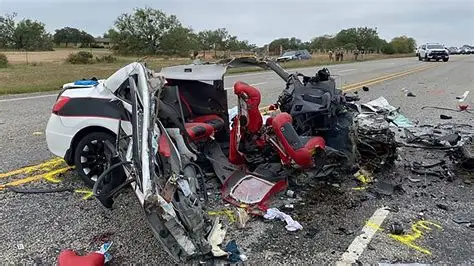
Student driver car accidents are a serious and sadly familiar topic for parents, educators, and communities alike. As young drivers take to the road for the first time, their lack of experience combined with common risk factors can lead to a high rate of car crashes — often with devastating consequences. In this article, we’ll explore what causes these accidents, who is most at risk, how they can be prevented, and why safe driving education matters.
🚗 Why Student Drivers Are at Higher Risk
Driving is a complex skill that takes years of practice to master — and that’s a challenge when teens and student drivers are learning it. According to data from the CDC, motor vehicle crashes are the leading cause of death for teens in the U.S., and teen drivers have a fatal crash rate nearly three times higher than drivers ages 20 and older per mile driven.
Here are some of the key reasons student drivers are especially vulnerable:
- Inexperience: New drivers often misjudge traffic situations or fail to anticipate hazards effectively.
- Risky behaviors: Teen drivers are more likely to speed, drive with multiple passengers, or use a phone behind the wheel.
- Night and weekend driving risk: Crash risk dramatically increases in low-light conditions and during high-activity times like weekends.
- Not wearing seat belts: More than half of teens killed in crashes were not wearing seat belts.
📊 Student Driver Crash Statistics
Even though teens represent only a small percentage of all licensed drivers, their involvement in serious crashes is disproportionate:
- In 2023, 2,611 people were killed in crashes involving a teen driver (ages 15–18).
- Teens accounted for a significant share of injuries, with 87,074 teen drivers injured in traffic crashes that same year.
- Studies suggest teen drivers are twice as likely as adults to be in a fatal crash.
- Across several years, data show young driver involvement in fatal crashes increased even as overall crash rates declined — emphasizing the ongoing challenge of keeping young drivers safe.
🚦 Common Causes of Student Driver Accidents
Understanding what causes these crashes is key to prevention. Some of the most common factors include:
1. Distracted Driving
Cellphone use, adjusting the stereo, talking to passengers — even brief distractions can be deadly. Teens are especially prone to multitasking behind the wheel, increasing their risk.
2. Speeding
Speeding reduces reaction time and increases crash severity. Teens are more likely to exceed speed limits, especially without supervision.
3. Nighttime Driving
Driving after dark poses visibility challenges and fatigue risks, and teen crash rates spike significantly during these hours.
4. Peer Passengers
A teen with other teens in the car is more likely to take risks — peer pressure contributes to distraction and unsafe decisions.
5. Failing to Wear Seat Belts
Not buckling up remains a leading contributor to fatal outcomes in crashes involving young drivers.
🛡️ How to Prevent Student Driver Accidents
While the statistics can be discouraging, there are effective ways to reduce risk and improve the safety of student drivers:
💡 1. Graduated Driver Licensing (GDL)
Many states use Graduated Driver Licensing systems to phase in driving privileges, letting new drivers gain experience before facing high-risk situations like night driving or carrying passengers. GDL programs are one of the most effective evidence-based strategies for reducing teen crashes.
👉 Learn more about GDL from NHTSA’s Teen Driving page: https://www.nhtsa.gov/road-safety/teen-driving
🧠 2. Parent‑Teen Driving Agreements
Setting clear rules and expectations — like limiting nighttime driving and passengers — helps teens make safer choices.
👨🏫 3. Driver Education
Formal driving courses teach rules of the road and defensive driving tactics. Consider programs that offer hands-on experience and emphasize real‑world hazard recognition.
🚘 4. Vehicle Safety
Choosing a vehicle with modern safety features like automatic emergency braking and blind‑spot monitoring can make a real difference — especially since many teens drive older cars lacking these technologies.
🪪 5. Lead by Example
Parents who model safe driving behaviors (no speeding, no texting) help instill responsible habits in their teen drivers.
🧠 The Bigger Picture
Student driver accidents aren’t just statistics — they’re often life‑changing events. Beyond the physical injuries, crashes can have long‑term emotional and financial effects on families. Understanding the risk factors and taking proactive steps can help keep new drivers safe.
🔗 Helpful Resources
- CDC Teen Drivers Facts: https://www.cdc.gov/teen-drivers/about/index.html
- NHTSA Teen Driving Safety: https://www.nhtsa.gov/road-safety/teen-driving
- Traffic Safety Marketing teen resources: https://www.trafficsafetymarketing.gov/safety-topics/teen-driver-safety