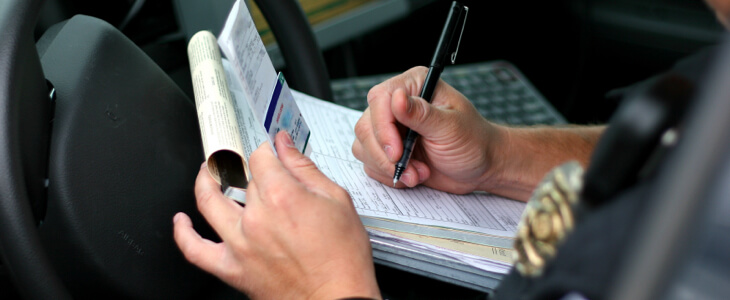
Getting a traffic ticket is stressful enough, but what happens when it happens outside your home state? An out-of-state traffic ticket can have consequences that go beyond just a fine. Understanding the process, penalties, and how to handle it is essential to avoid bigger problems like license suspension or increased insurance rates.
What Is an Out-of-State Traffic Ticket?
An out-of-state traffic ticket is issued when a driver violates traffic laws while driving in a state different from the one where their driver’s license is registered. Common violations include speeding, running a red light, or reckless driving. Even though the violation occurred in another state, you are still legally responsible for addressing the ticket.
Do You Have to Pay an Out-of-State Traffic Ticket?
Yes. Thanks to the Driver License Compact (DLC), most states in the U.S. share traffic violation information. This means that even if you get a ticket in another state, your home state may be notified. Ignoring the ticket can lead to:
- Suspension of your driver’s license
- Additional fines or penalties
- Increased insurance premiums
- Potential legal action if the ticket remains unpaid
To avoid these consequences, it’s important to pay or contest the ticket on time.
How Out-of-State Tickets Affect Your Driving Record
Most states report traffic violations to your home state. For example, if you live in California but get a speeding ticket in Nevada, California may add points to your driving record. These points can affect your insurance rates and even lead to license suspension if you accumulate too many.
Can You Fight an Out-of-State Traffic Ticket?
Yes, you can contest an out-of-state ticket. Here are your options:
- Hire a local attorney in the state where the ticket was issued – They understand local traffic laws and can represent you in court.
- Request a trial by mail or online – Some states allow you to plead not guilty remotely.
- Attend traffic school – Completing an approved defensive driving course may reduce fines or points.
Remember, the rules vary by state, so check the state’s official DMV or court website for specific procedures.
Tips for Handling Out-of-State Traffic Tickets
- Don’t ignore the ticket – Unpaid tickets can escalate quickly.
- Check your home state’s DMV – See how the ticket will affect your license and record.
- Keep documentation – Save all court notices, payment receipts, and correspondence.
- Consider traffic school – Some states allow point reduction or ticket dismissal.
For more detailed guidance, you can visit the National Motorists Association for resources on out-of-state traffic tickets.
Common FAQs
Q: Will an out-of-state ticket increase my insurance rates?
A: It depends on your insurance provider and the severity of the violation, but most insurance companies review driving records nationwide.
Q: What if my state is not part of the Driver License Compact?
A: Only a few states, like Georgia and Wisconsin, are not full participants. Even so, unpaid tickets can result in collections or license holds.
Q: Can I ignore a minor out-of-state traffic ticket?
A: No. Ignoring it can lead to fines, warrants, or a suspended license.
Conclusion
Getting an out-of-state traffic ticket may feel inconvenient, but ignoring it can lead to far more serious problems. Pay attention to deadlines, know your options for contesting the ticket, and stay informed about your home state’s regulations. Being proactive ensures your driving record and insurance rates remain in good standing.