In today’s world, where environmental awareness and fuel efficiency are at the forefront of automotive innovation, hybrid cars have emerged as a popular choice for drivers. But what exactly is a hybrid car, and why are they gaining so much attention? In this article, we’ll dive deep into the concept of hybrid vehicles, how they work, their benefits, and considerations when buying one.
Understanding Hybrid Cars
A hybrid car is a vehicle that combines two or more power sources to move the car. Typically, it uses a traditional internal combustion engine (ICE) along with an electric motor powered by a battery. This combination allows hybrid cars to achieve better fuel efficiency and lower emissions compared to standard gasoline-powered cars.
Unlike fully electric vehicles, hybrid cars don’t rely solely on electricity. Instead, they switch seamlessly between gasoline and electric power, or sometimes use both simultaneously.
How Do Hybrid Cars Work?
Hybrid cars use various systems to maximize efficiency. The two main types of hybrids are:
1. Full Hybrids
Full hybrids can run on the electric motor alone, the gasoline engine alone, or a combination of both. Vehicles like the Toyota Prius are examples of full hybrids, which can significantly reduce fuel consumption in city driving.
2. Mild Hybrids
Mild hybrids cannot run on electricity alone. Instead, the electric motor assists the engine, especially during acceleration, to improve fuel efficiency and reduce emissions.
3. Plug-In Hybrids (PHEVs)
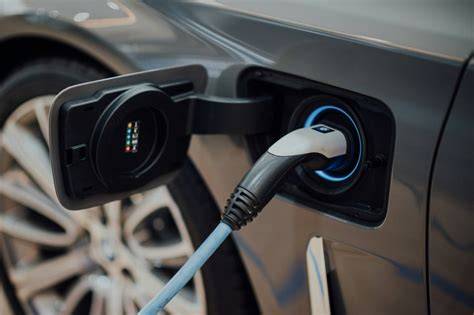
Plug-in hybrids have larger batteries than regular hybrids, allowing them to drive longer distances on electric power alone. They can be recharged via an external power outlet, offering the benefits of an electric car with the flexibility of gasoline when needed.
How the system works:
- The electric motor powers the car at low speeds.
- The gasoline engine kicks in at higher speeds or when extra power is needed.
- Regenerative braking captures energy during braking to recharge the battery.
For more technical details, you can check out U.S. Department of Energy’s guide on hybrid vehicles.
Benefits of Hybrid Cars
Hybrid cars offer several advantages that make them an attractive choice for modern drivers:
- Fuel Efficiency – Hybrids consume less fuel than conventional cars, saving money at the pump.
- Reduced Emissions – With lower fuel consumption, hybrids produce fewer greenhouse gases, making them more eco-friendly.
- Tax Incentives – Some countries and states offer tax credits or incentives for hybrid car owners.
- Regenerative Braking – Converts kinetic energy into electricity, enhancing efficiency and reducing brake wear.
- Quiet Operation – When running on the electric motor, hybrids are nearly silent, providing a smoother driving experience.
Things to Consider Before Buying a Hybrid Car
While hybrid cars offer many benefits, there are some factors to consider:
- Initial Cost: Hybrid vehicles are often more expensive upfront than standard gasoline cars.
- Battery Replacement: Batteries can be costly to replace after years of use.
- Maintenance: While generally reliable, hybrid systems may require specialized maintenance.
- Driving Style: Hybrids perform best in city driving with frequent stops, where regenerative braking can maximize efficiency.
Popular Hybrid Cars in 2026
Some of the top hybrid cars available today include:
- Toyota Prius – The most well-known hybrid car with proven reliability.
- Honda Accord Hybrid – Combines comfort, performance, and efficiency.
- Ford Escape Hybrid – A hybrid SUV with strong fuel economy.
- Kia Niro – Affordable hybrid with crossover versatility.
For a full list of hybrid vehicles, visit Edmunds Hybrid Car Guide.
Conclusion
A hybrid car is an innovative solution for drivers seeking a balance between fuel efficiency, environmental friendliness, and flexibility. By combining an electric motor with a gasoline engine, hybrid vehicles offer reduced emissions, lower fuel costs, and smoother driving experiences. Whether you’re looking for a compact hybrid like the Prius or a hybrid SUV like the Ford Escape, hybrid cars are likely to remain a key part of the automotive landscape in the coming years.