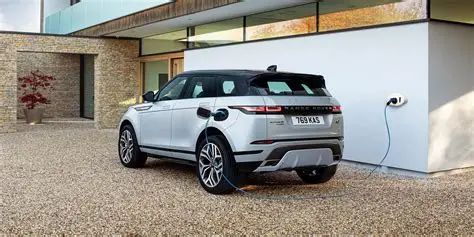
As electric vehicles (EVs) become more popular, many drivers are looking for a middle ground between traditional gasoline cars and fully electric vehicles. That’s where plug-in hybrid cars come in.
But what is a plug-in hybrid car, and how is it different from a regular hybrid or an electric car?
In this guide, we’ll explain everything you need to know about plug-in hybrid vehicles (PHEVs), including how they work, their advantages, disadvantages, and whether they’re worth buying in 2026 and beyond.
What Is a Plug-In Hybrid Car?
A plug-in hybrid electric vehicle (PHEV) is a car that uses both an electric motor and a gasoline engine, and can be charged by plugging it into an external power source, such as a home wall outlet or public charging station.
Unlike traditional hybrids, plug-in hybrids have larger batteries, allowing them to drive short distances using electricity alone before switching to gasoline.
Key Definition
A plug-in hybrid car is a vehicle that combines an internal combustion engine with an electric motor and a rechargeable battery that can be charged externally.
How Does a Plug-In Hybrid Car Work?
Plug-in hybrid cars operate in three main modes:
1. Electric-Only Mode
- Runs entirely on battery power
- Ideal for short trips and city driving
- Produces zero tailpipe emissions
2. Hybrid Mode
- Uses both the electric motor and gasoline engine
- Optimizes fuel efficiency automatically
3. Gasoline Mode
- Uses the gasoline engine when the battery is depleted
- Functions like a regular car for long trips
Most PHEVs can drive 20–50 miles on electricity alone, depending on the model.
Plug-In Hybrid vs Hybrid vs Electric Car
| Feature | Plug-In Hybrid (PHEV) | Hybrid (HEV) | Electric Car (EV) |
|---|---|---|---|
| Plug-in charging | ✅ Yes | ❌ No | ✅ Yes |
| Gas engine | ✅ Yes | ✅ Yes | ❌ No |
| Electric-only driving | ✅ Yes | ❌ Limited | ✅ Yes |
| Long-distance driving | ✅ Easy | ✅ Easy | ⚠️ Charging needed |
| Fuel efficiency | Very High | High | No fuel |
Benefits of Plug-In Hybrid Cars
1. Lower Fuel Costs
Driving on electricity is significantly cheaper than gasoline. Many drivers can complete daily commutes without using any fuel at all.
2. Reduced Emissions
PHEVs emit less CO₂ than traditional gas cars, especially when driven mostly in electric mode.
3. No Range Anxiety
If the battery runs out, the gasoline engine keeps you moving—no need to search for charging stations on long trips.
4. Tax Credits and Incentives
Some plug-in hybrid vehicles qualify for government incentives, depending on battery size and location.
🔗 Learn more about U.S. EV incentives:
https://www.fueleconomy.gov/feg/taxevb.shtml
Disadvantages of Plug-In Hybrid Cars
1. Higher Purchase Price
PHEVs usually cost more upfront than traditional gas vehicles.
2. Smaller Electric Range
Compared to fully electric vehicles, plug-in hybrids have limited electric-only range.
3. Maintenance Complexity
They contain both electric and gasoline systems, which can increase long-term maintenance complexity.
How Do You Charge a Plug-In Hybrid Car?
Plug-in hybrid cars can be charged using:
- Standard home outlet (Level 1) – 6 to 12 hours
- Level 2 home charger – 2 to 4 hours
- Public charging stations
Charging is simple and similar to charging a smartphone—just plug it in overnight.
🔗 Find charging stations near you:
https://www.plugshare.com
Popular Plug-In Hybrid Car Models
Some of the most popular plug-in hybrid vehicles include:
- Toyota Prius Prime
- Ford Escape Plug-In Hybrid
- Hyundai Tucson Plug-In Hybrid
- BMW X5 xDrive45e
- Chrysler Pacifica Plug-In Hybrid
🔗 Compare PHEV models and specs:
https://www.edmunds.com/hybrid/
Are Plug-In Hybrid Cars Worth It?
A plug-in hybrid car is worth it if:
✅ You drive short distances daily
✅ You can charge at home or work
✅ You want lower fuel costs without going fully electric
✅ You take occasional long road trips
However, if you rarely charge the battery, a regular hybrid or gasoline car may be a better choice.
Plug-In Hybrid Cars and the Environment
When charged regularly, PHEVs can reduce fuel consumption by 30–70% compared to traditional vehicles.
Environmental benefits depend heavily on:
- Driving habits
- Charging frequency
- Electricity source (renewable vs fossil fuel)
🔗 Learn about vehicle emissions:
https://www.epa.gov/greenvehicles
Frequently Asked Questions (FAQ)
Do plug-in hybrid cars charge while driving?
Yes, they can recharge through regenerative braking and the gasoline engine, but external charging is still necessary for maximum efficiency.
Can you drive a plug-in hybrid without charging it?
Yes, but fuel efficiency will be lower, similar to a regular hybrid.
How long do plug-in hybrid batteries last?
Most manufacturers offer 8–10 year warranties, and batteries often last over 150,000 miles.
Final Thoughts
So, what is a plug-in hybrid car?
It’s a smart transition vehicle that blends the benefits of electric driving with the reliability of gasoline power.
For drivers who want fuel savings, lower emissions, and flexibility, plug-in hybrid cars offer an excellent balance—especially as charging infrastructure continues to grow.