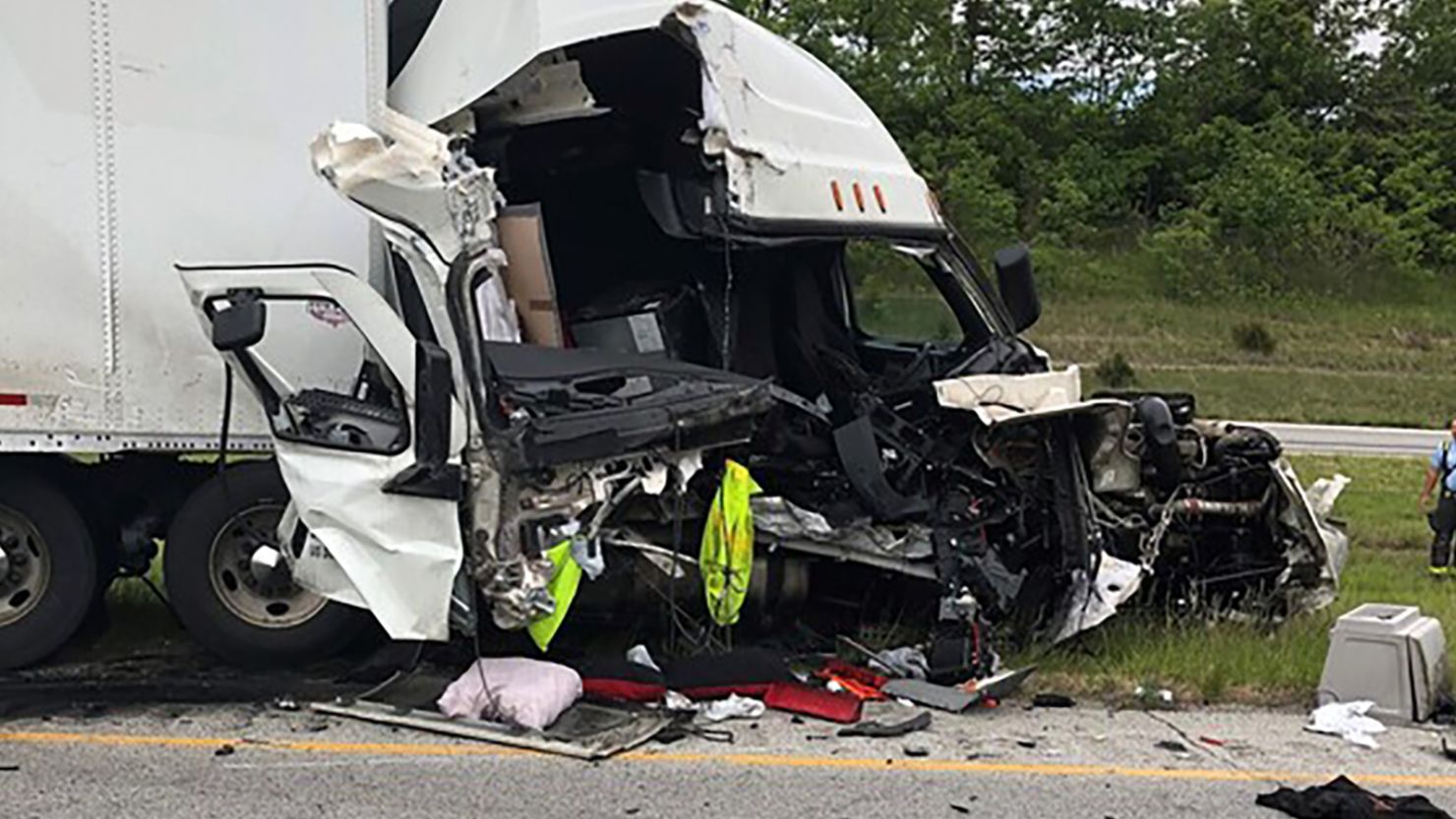
Car accidents are a major concern for drivers worldwide. Understanding when most car accidents happen can help you take precautions and stay safe on the road. In this article, we break down the timing, reasons, and patterns behind traffic accidents so you can minimize your risk.
Peak Times for Car Accidents
Research consistently shows that car accidents are not evenly distributed throughout the day or week. Certain times see higher accident rates due to a combination of traffic volume, driver fatigue, and riskier driving behaviors.
1. Rush Hours
- Morning (7 AM – 9 AM): Drivers are often rushed, anxious, or distracted while commuting to work. These conditions increase the chances of rear-end collisions and minor fender benders.
- Evening (4 PM – 7 PM): The evening commute combines heavy traffic with driver fatigue after a long day, resulting in higher accident rates. According to National Highway Traffic Safety Administration (NHTSA), many crashes occur during these peak traffic times.
2. Weekends
- Fridays and Saturdays: Weekend evenings are notorious for accidents, often linked to alcohol-impaired driving. Social events, parties, and nightlife activities contribute to these spikes.
- Late Night Hours (10 PM – 2 AM): Nighttime driving is riskier due to reduced visibility, higher speeds, and impaired or drowsy drivers. Accidents during these hours are often more severe.
3. Weather and Seasonal Factors
- Rain, Snow, and Ice: Poor weather increases stopping distances and reduces visibility. Winter months often see a rise in collisions due to slippery roads.
- Holidays: Holidays like Christmas, New Year’s, and Memorial Day see higher traffic volumes and a spike in accidents, often related to drinking and long-distance travel.
4. Other High-Risk Situations
- Intersections: Most accidents happen at intersections, particularly when drivers ignore traffic signals or fail to yield.
- School Zones: Accidents can spike during morning drop-offs and afternoon pick-ups, especially when drivers are distracted or rushing.
Why Timing Matters
Knowing when car accidents are most likely to happen can help you take proactive safety measures. Some tips include:
- Avoid late-night driving if you’re fatigued.
- Slow down during rush hours and maintain a safe following distance.
- Be extra cautious in bad weather or low-light conditions.
- Plan holiday trips carefully and consider traffic patterns.
Conclusion
Most car accidents occur during rush hours, weekends, late-night hours, bad weather, and holidays. By understanding these patterns and adopting safe driving habits, you can significantly reduce your risk of being involved in a crash. Awareness and caution are the best tools every driver can have.
For more detailed statistics on car accidents and driving safety, visit NHTSA Traffic Safety Facts.