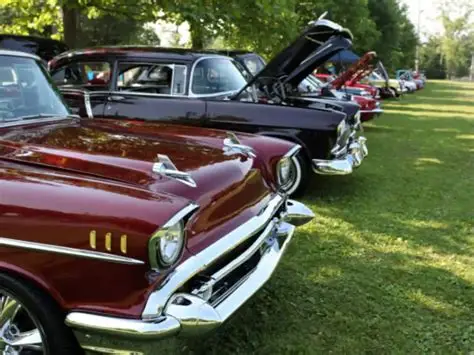
The term classic car often sparks debates among car enthusiasts. Some define it based on age, others on rarity or historical significance. But what truly determines when a car crosses into “classic” territory? In this guide, we break down the definitions, legal standards, and factors that classify a car as a classic.
Understanding the Definition of a Classic Car
There isn’t a universal definition of a classic car, but most experts and organizations consider a car “classic” if it meets several criteria:
- Age – Generally, a car must be 20–25 years old or older to qualify as a classic. For example, the Classic Car Club of America (CCCA) typically considers cars manufactured between 1915 and 1948 as “classic” or “antique.” Some auto insurance companies also use the 20-year threshold for classic car coverage.
- Historical Significance – A car that introduced new technologies, iconic designs, or played a role in automotive history may be considered classic regardless of its age.
- Condition and Originality – Classic cars are often well-preserved or restored, maintaining as many original parts as possible. Modifications can affect classic status, especially in valuation or insurance.
- Rarity and Collectibility – Limited production models, cars with unique features, or those associated with popular culture (like movies or famous personalities) often gain classic status faster.
Legal and Insurance Perspective
From a legal standpoint, different countries and states have their own definitions:
- United States: Many states classify cars over 25 years old as classic for registration purposes, sometimes offering benefits like reduced registration fees.
- UK: The Driver and Vehicle Licensing Agency (DVLA) considers vehicles over 40 years old as historic vehicles, exempting them from certain taxes.
- Insurance Companies: Companies like Hagerty and State Farm provide classic car insurance for vehicles that meet age and condition criteria. Policies often require limited annual mileage and careful maintenance.
Pro Tip: If you’re buying a car to be insured as a classic, check your state or country’s specific laws and insurance requirements.
Why Classic Cars Are Valuable
Classic cars are more than just vehicles—they are pieces of history. Factors that drive value include:
- Scarcity: Limited edition cars or discontinued models become sought-after collectibles.
- Provenance: Cars with notable previous owners or participation in famous events fetch higher prices.
- Restoration Quality: Original parts and professional restoration increase both value and classic appeal.
Some classic cars, like the 1960s Ford Mustang or the Porsche 911, have not only stood the test of time but have become symbols of automotive culture.
Common Misconceptions
- Not All Old Cars Are Classic – A car can be old but not considered classic if it lacks historical significance, rarity, or collectibility.
- Modified Cars Lose Classic Status – Extensive modifications can affect insurance and valuation, though mild upgrades may not.
- Value Isn’t Guaranteed – While many classics appreciate, market demand, condition, and provenance all impact price.
Conclusion
A car is considered classic when it combines age, historical significance, originality, and rarity. Typically, vehicles 20–25 years or older qualify, but true classic status is often validated by enthusiasts, legal definitions, and insurance companies. If you own a vehicle that fits these criteria, not only are you holding a piece of automotive history, but potentially a valuable investment as well.
For more information about classic car registration and insurance, you can check Hagerty Classic Car Insurance.