Selling a car can be both exciting and stressful. Whether you’re upgrading to a newer model or simply looking to free up cash, timing your sale can significantly impact how much you get for your vehicle. In this guide, we’ll explore when is the best time to sell a car, key factors to consider, and tips to maximize your resale value.
Understanding Car Depreciation
Before diving into timing, it’s important to understand that cars depreciate. A new car can lose 20-30% of its value in the first year alone and around 15% per year over the next few years. Knowing this can help you decide whether to sell your car sooner or wait.
Best Season to Sell a Car
Timing your sale around the seasons can have a surprising impact on price:
1. Spring and Early Summer
Spring and early summer are considered the best times to sell a car. There are several reasons for this:
- Buyers are often more active, looking to purchase before summer vacations or back-to-school season.
- Good weather makes it easier for buyers to test drive cars.
- Convertibles, sports cars, and SUVs in particular see higher demand during this period.
2. Avoid Winter
Winter months are typically slow for car sales. Bad weather, holidays, and year-end expenses mean fewer buyers are actively searching for vehicles. If you can wait until spring, you may get a better price.
Timing by Vehicle Type
Different types of cars sell better at different times:
- Convertibles & Sports Cars: Spring and summer.
- 4×4 and SUVs: Fall, as buyers prepare for winter conditions.
- Family Cars: Late summer, before back-to-school shopping peaks.
Understanding your car type’s demand season can help you price and market it more effectively.
Consider Your Car’s Age and Condition
Your car’s age, mileage, and overall condition also play a huge role in determining the best time to sell:
- Newer Cars (1-3 years old): Sell before major mileage milestones (e.g., 30,000 miles).
- Older Cars (4+ years): Sell before major repairs are needed to maintain value.
- Well-Maintained Cars: A full service history and clean interior/exterior can increase resale price, regardless of timing.
Market Trends & Economic Factors
Car values fluctuate based on supply, demand, and external market conditions:
- Gas Prices: If fuel prices are high, fuel-efficient vehicles sell faster.
- Interest Rates: Higher rates can slow down car financing, reducing buyer pool.
- Used Car Market Trends: Check platforms like Kelley Blue Book or Edmunds to monitor current market prices.
Selling when demand is high can make a significant difference in how much you earn.
How to Maximize Sale Price
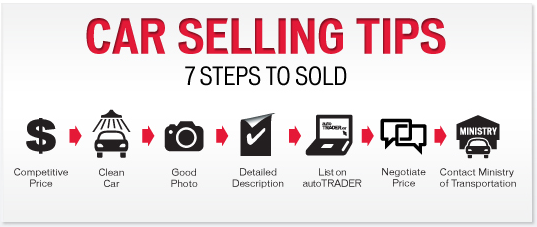
- Clean and Detail Your Car: First impressions matter. A thorough wash, interior cleaning, and minor repairs can boost perceived value.
- Gather Documentation: Maintenance records, warranties, and title history instill buyer confidence.
- Price Competitively: Use online tools like Kelley Blue Book to set a fair market price.
- Advertise Effectively: List your car on multiple platforms like Autotrader or Cars.com to reach more buyers.
Conclusion
The best time to sell a car depends on a combination of seasonal demand, your vehicle type, age, and current market conditions. Generally, spring and early summer offer the most favorable conditions for getting top dollar. Planning ahead, preparing your car, and staying informed about market trends can help you sell your car faster and for a higher price.