Become a Car Mechanic: Steps to Starting Your Career
Becoming a car mechanic requires a combination of formal training, hands-on experience, and industry certifications that typically takes three to five years to complete. This article walks you through the specific pathway to launch this career, including educational options, certification requirements, salary expectations, and the actual job responsibilities you’ll handle daily.
Understanding What Car Mechanics Actually Do
Daily Responsibilities and Work Environment
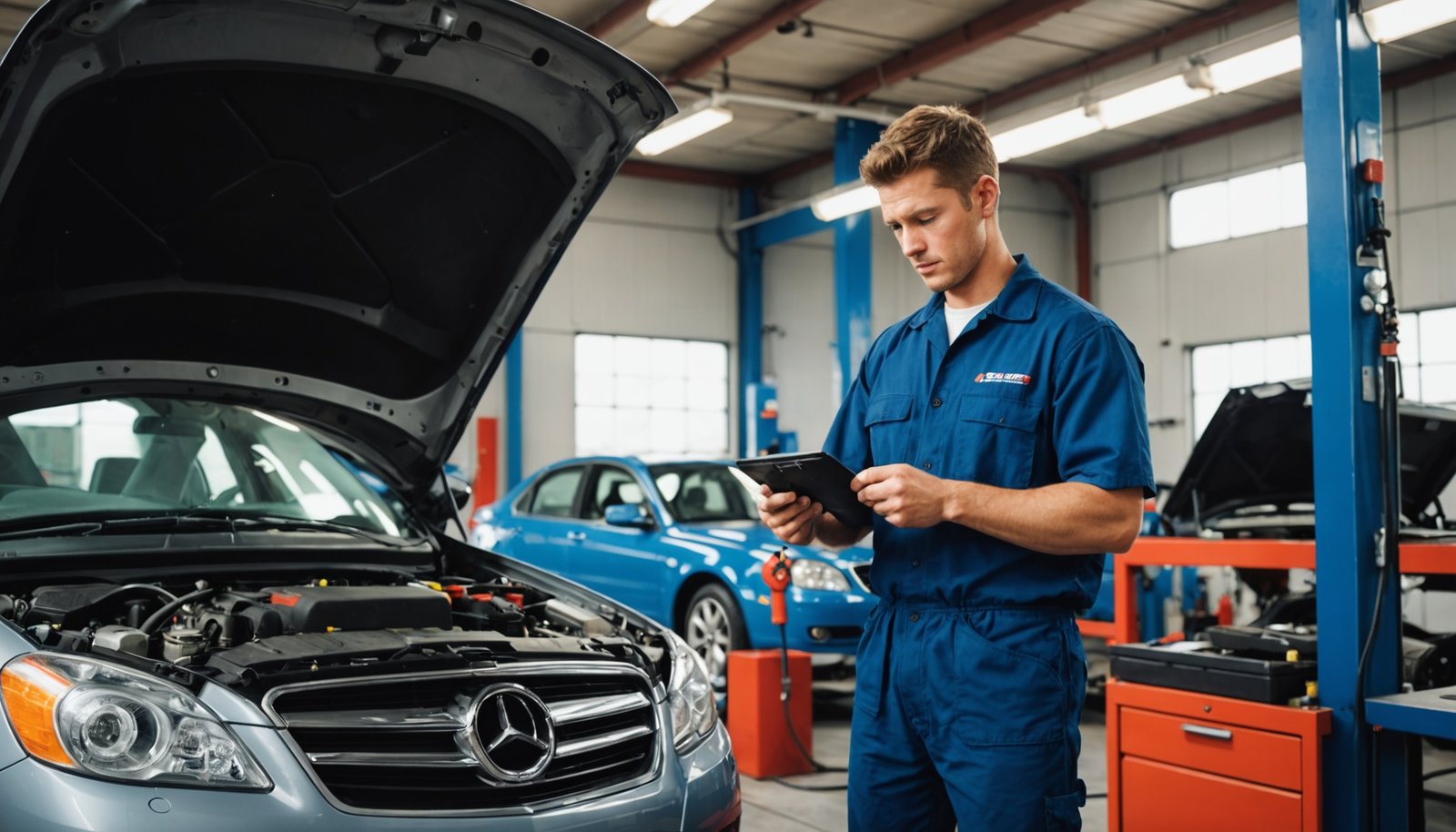
A car mechanic spends their day diagnosing vehicle problems, replacing worn parts, performing maintenance services, and testing repairs to ensure they work correctly. You’ll work in service shops, dealerships, or independent repair facilities where you’ll spend significant time under vehicles or leaning over engine compartments. The work is hands-on, physical, and demands attention to detail because mistakes can affect customer safety.
Your typical day involves reading diagnostic codes from computer systems, consulting technical manuals, communicating with customers about their vehicle issues, and managing your time across multiple jobs. Modern mechanics work with both traditional mechanical systems and advanced electronic components. You’ll use specialized tools ranging from simple wrenches to computerized diagnostic equipment worth thousands of dollars. Some days you’ll spend eight hours on a single complex repair; other days you’ll complete several straightforward maintenance tasks.
How Mechanic Work Connects to Auto Insurance
Understanding insurance matters helps you serve customers better and potentially work with insurance companies. When customers file claims after accidents, insurance adjusters often recommend specific repair shops or approve repair estimates. If you work at a preferred shop, you’ll handle insurance-approved repairs and communicate directly with adjusters about parts and labor costs. This intersection of mechanics and insurance is why some mechanics transition into the jobs in car insurance industry later in their careers.
As a shop owner or manager, you might need to understand how collision coverage and what is collision coverage works since you’ll be repairing vehicles damaged in accidents. You’ll also help customers understand what their insurance covers when they bring damaged vehicles to your shop. Some mechanics expand their knowledge into insurance claims processing, which is why understanding how to file a car insurance claim becomes relevant to business operations.
Educational Pathways to Becoming a Car Mechanic
High School Preparation and Requirements
Most entry-level mechanic positions require a high school diploma or GED. During high school, focus on courses in mathematics, physics, and any available automotive or shop classes. Strong math skills help you understand engine calculations, torque specifications, and diagnostic measurements. Physics teaches you how forces, friction, and energy work in vehicles. Some high schools offer automotive technology programs that give you a head start, introducing you to basic tools and procedures.
Beyond academics, develop strong problem-solving habits and attention to detail. Read technical manuals, watch repair videos online, and start learning about different vehicle systems. Build familiarity with computer systems since modern diagnostics rely heavily on technology. Talk to mechanics about their work, ask questions about how they solved particular problems, and visit local repair shops to observe the environment. This groundwork makes formal training much easier because you’ll already understand basic concepts.
Trade School vs. Apprenticeship Programs
You have two primary routes after high school: attending a technical or trade school, or enrolling in a registered apprenticeship program. Trade schools, also called technical colleges or vocational institutes, offer certificate or associate degree programs lasting from six months to two years. These programs compress automotive training into classroom and lab work, usually with one or two years of full-time study. You’ll gain broad knowledge across multiple vehicle systems and graduate ready to seek employment.
Apprenticeship programs take longer, typically three to five years, but you earn wages while learning. You attend classroom instruction part-time, usually one day per week or several weeks per year, while working full-time at a repair shop under a supervisor’s guidance. This earn-while-you-learn model appeals to people who can’t afford to stop working, and employers often prefer hiring apprentices because they’re already familiar with their specific shop. The tradeoff is that apprenticeships demand more time commitment overall, though you’re financially supported during training.
- Trade schools: 6 months to 2 years, full-time study, classroom and lab focused
- Apprenticeships: 3 to 5 years, part-time classes with full-time paid work
- Trade schools suit people who want to finish quickly; apprenticeships suit those prioritizing earnings during training
- Both paths lead to entry-level mechanic positions, though apprenticeship graduates often have specific shop experience
- Many mechanics complete trade school then pursue apprenticeship positions to specialize
Certifications That Employers Expect
ASE Certification and Specializations
The National Institute for Automotive Service Excellence, commonly called ASE, provides the most recognized certification in the United States. ASE certification proves you’ve passed rigorous exams testing knowledge and understanding of specific automotive systems. You can earn certifications in eight different areas: engine repair, automatic transmissions, manual drive trains, suspension and steering, brakes, electrical systems, heating and air conditioning, and engine performance. Many shops require or strongly prefer technicians with at least one or two ASE certifications.
To qualify for ASE exams, you need relevant work experience, typically two years in an automotive service job, or one year if you’ve completed a formal automotive training program. Some trade schools count lab hours toward this requirement. After passing exams, you need to recertify every five years by either retaking the exams or completing continuing education. ASE certifications aren’t legally required to work as a mechanic, but they significantly increase your earning potential and job opportunities. Shops display ASE certifications prominently because customers trust certified technicians.
Manufacturer and Specialty Certifications
Beyond ASE, manufacturers offer their own certification programs. Ford, General Motors, Toyota, Honda, and other major automakers provide training and certifications for their specific vehicle systems. These certifications make you especially valuable at dealerships specializing in those brands. Some dealers require manufacturer certification for certain positions. These programs typically involve online courses and exams, sometimes requiring attendance at training centers.
Specialty certifications exist for specific vehicle systems too. If you want to focus on diesel engines, hybrid systems, or electrical diagnostics, relevant certifications set you apart. Some mechanics pursue multiple certifications over their career, gradually building expertise in areas that interest them or align with market demand in their region. Starting with ASE certification gives you broad credibility, then pursuing specialty certifications deepens your expertise and increases your specialization options.
| Certification Type | Issuing Organization | Requirements | Typical Timeline | Cost Range |
|---|---|---|---|---|
| ASE Certification | National Institute for Automotive Service Excellence | 2 years experience or 1 year plus formal training | Study varies; exams are one-time | $150-200 per exam |
| Ford Master Technician | Ford Motor Company | Varies by level; online courses required | Months to years depending on level | $200-500 per course |
| Toyota Certified Technician | Toyota Motor Corporation | Employment at participating dealership typically required | Varies by program | Often employer-sponsored |
| Diesel Specialist | Various providers | Foundational mechanic experience | Months to 1 year | $500-1500 |
| Hybrid/Electric Vehicle | Various providers including manufacturers | Foundational mechanic experience | Weeks to months | $300-800 |
Building Practical Experience and Skills
Starting Your First Mechanic Position
Your first job might not be as a full-fledged mechanic but as a service technician, automotive assistant, or apprentice. These entry-level positions involve supporting licensed mechanics, learning shop procedures, handling routine maintenance tasks, and gradually taking on more complex work. Don’t dismiss entry-level roles; they’re essential for understanding how professional shops operate, learning to use shop equipment safely, and developing the speed and accuracy that experienced mechanics possess.
When seeking your first position, emphasize any formal training you’ve completed and your ASE certification if you have it. Bring a resume that shows reliability and willingness to learn. Many shop owners care more about work ethic than experience; they’re willing to train someone competent who shows up on time and takes the work seriously. Apply to independent shops, dealerships, quick-lube facilities, and fleet maintenance facilities. Each environment teaches different skills and helps you decide what type of work environment suits you best.
Developing Expertise Over Time
Becoming proficient in car mechanics typically requires three to five years of hands-on work, even after formal training. Early in your career, you’ll work slower than experienced mechanics because you need to reference manuals, double-check procedures, and develop muscle memory for using tools. This is completely normal. Experienced mechanics have handled thousands of repairs and developed intuition about what’s wrong just by listening to an engine or feeling how the steering responds.
Actively seek learning opportunities at your shop. Ask experienced mechanics to explain their diagnostic process. When you complete a repair, understand why that repair fixed the problem, not just the mechanical steps you followed. Take on increasingly complex jobs as your skills develop. Read technical manuals and service bulletins published by manufacturers. Subscribe to automotive trade publications. Attend training seminars when your employer offers them. This commitment to continuous learning separates mechanics who plateau from those who become sought-after specialists commanding higher wages.
- Invest in quality tools gradually; starting with basics and building a comprehensive set
- Learn your shop’s specific procedures and equipment before transferring between shops
- Ask experienced mechanics for guidance; most are happy to teach willing learners
- Keep detailed notes on repairs you complete, noting problems and solutions for future reference
- Develop patience with customers; explaining repairs clearly builds trust and repeat business
- Stay updated on new vehicle technologies and repair procedures throughout your career
Financial Considerations and Job Outlook
Training Costs and Return on Investment
Trade school programs cost between $5,000 and $15,000 depending on the institution and program length. Some community colleges offer more affordable options than private trade schools. Financial aid and scholarships exist through various organizations, though you’ll need to research what’s available in your area. Apprenticeship programs typically have lower upfront costs since you’re earning wages while learning, though you’ll earn less than experienced mechanics during your apprenticeship years.
Your return on investment typically comes quickly. Entry-level mechanic positions start around $30,000 to $35,000 annually, with experienced mechanics earning $50,000 to $75,000 or more depending on specialization, location, and shop type. Shop owners and those who develop strong customer bases often earn substantially more. Within five to seven years of starting, most mechanics recoup their training investment and are earning significantly more than they would in many non-skilled positions. The key is treating your early career as an investment period where building skills matters more than maximizing immediate income.
Job Growth and Regional Demand
The automotive service industry remains steady with consistent demand. Vehicles require regular maintenance throughout their lives, and malfunctions create emergency repair needs. While new vehicle sales fluctuate with economic conditions, the total vehicle population continues to age, requiring ongoing maintenance. Shops consistently struggle to find qualified mechanics, meaning job security is strong for certified, reliable technicians. Some areas experience higher demand than others; rural regions often have fewer mechanics and may offer better job opportunities, though urban areas typically offer higher wages.
The industry is evolving toward electric and hybrid vehicles, creating new specialization opportunities. Mechanics with training in electric vehicle systems will find increasing demand over the coming years. Fleet maintenance positions, such as working for delivery companies or municipal governments, offer stable employment with structured schedules and benefits. Dealerships offer steady work but often emphasize rapid productivity. Independent shops may offer more variety but sometimes have less stable workloads. Understanding these different work environments helps you choose positions that match your work style and career goals.
Navigating Industry Changes and Advanced Opportunities
Adapting to Modern Diagnostic Technology
Contemporary vehicles rely heavily on computerized systems that require different diagnostic approaches than older mechanical systems. Modern mechanics use computerized scan tools to read diagnostic trouble codes, understand sensor data, and reprogram vehicle computers. Learning these technologies is essential for staying relevant in the field. Even if you trained on traditional systems, upgrading your skills to include modern diagnostics separates you from mechanics who fall behind technologically.
Many shops now require technicians to understand basic computer systems and software interfaces. Online diagnostic training courses help you stay current as vehicle systems evolve. Manufacturer training programs increasingly focus on new technologies. If you’re considering becoming a car mechanic today, expect that at least 30% to 40% of your job will involve working with computer systems, even at independent shops. Embrace this technology rather than resisting it, and you’ll position yourself as a valuable asset shops want to retain and promote.
Pathways Beyond the Wrench
Many experienced mechanics transition into related careers after years working on vehicles. Service managers oversee shop operations, managing technicians and customer relations while earning management-level pay. Technical trainers teach other mechanics, working for dealerships or independent training organizations. Some mechanics move into shop ownership, running their own businesses and leveraging their technical knowledge to manage operations. Others transition into sales, working as parts specialists or service advisors who interact more with customers than vehicles.
Your mechanic background opens doors to adjacent fields. Insurance adjusters often hire people with mechanical knowledge to assess damage and estimate repair costs. Some mechanics become collision repair specialists, working specifically on vehicles damaged in accidents. Fleet maintenance coordinators manage large vehicle inventories for companies. As mentioned earlier, some mechanics transition into the jobs in car insurance industry, using their technical knowledge in claims assessment or customer service roles. Your mechanic training provides a strong foundation for multiple career paths.
- Service manager positions leverage your technical knowledge in a supervisory capacity
- Technical training roles let you teach other mechanics while developing leadership skills
- Shop ownership appeals to mechanics with business acumen and customer relationships
- Insurance industry positions value your ability to assess vehicle damage and repair costs
- Collision repair specialization focuses specifically on accident damage restoration
- Many mechanics combine wrenching with running a small side business or specialty service
Frequently Asked Questions
How long does it really take to become a car mechanic?
Formal training takes six months to two years through trade school, or three to five years through apprenticeship. However, becoming truly proficient takes additional time. Most experienced mechanics say they were still learning new things after five years. Getting your first ASE certification usually happens within two years of starting, but developing the expertise that separates average mechanics from sought-after specialists takes five to seven years minimum. The timeline depends on your chosen path and how intensively you pursue additional certifications and specializations.
Can I become a car mechanic without formal training?
Technically yes, but it’s increasingly difficult and limits your opportunities. Some older mechanics started without formal training, working their way up through decades of experience. Today, most shops require some formal training or certification to hire technicians beyond entry-level positions. Without formal training, you’d need to find a shop willing to train you extensively, which is rare. Formal training accelerates your learning, provides credibility through certification, and dramatically improves your job prospects and earning potential. It’s considered the standard pathway for good reason.
What if I don’t have a high school diploma?
Most trade schools require a high school diploma or GED, though some offer programs for GED holders specifically. If you don’t have your diploma, obtain your GED first. This requirement exists because the work involves mathematics, reading technical manuals, understanding electronic systems, and potentially working with diagnostic computers. Adult education programs in most communities help you earn your GED. Once you have it, you’re eligible for trade schools and apprenticeships just like high school graduates.
Is hands-on experience really necessary, or can online training suffice?
Online training teaches theory and can help you prepare for ASE exams, but hands-on experience is absolutely essential. Mechanics work with real vehicles, real tools, and real problems. You need to develop muscle memory, understand how to safely use equipment, and learn to work efficiently under time pressure. Theory alone doesn’t teach you how to position your body under a vehicle, troubleshoot an electrical gremlins, or work quickly without compromising quality. All recognized apprenticeship and trade school programs include substantial hands-on lab work for exactly this reason. Use online training to supplement hands-on work, not replace it.
Should I specialize in a particular type of vehicle or repair?
Specialization typically comes after you’ve developed general mechanic skills. Starting out, build broad knowledge across different vehicle systems and types. After a year or two, you’ll naturally gravitate toward work you enjoy. Some mechanics love engine performance; others prefer electrical systems or transmissions. Some specialize in specific brands like German vehicles or Japanese brands. Early specialization can limit your job options if you need to relocate or if that specialty becomes less in-demand. Wait until you have solid general skills and understand the market in your region before pursuing deep specialization, unless you have specific knowledge like hybrid or electric vehicle training from your formal education.
Conclusion
Starting your journey to become a car mechanic requires commitment to formal training, hands-on learning, and ongoing skill development, but the rewards include job security, steady income growth, and the satisfaction of solving complex technical problems. You can choose between trade school or apprenticeship based on your financial situation and learning preference, then pursue ASE certification to establish your credibility. The first few years involve building foundational skills at an entry-level position, gradually taking on more complex work as your expertise grows.
The automotive industry values skilled mechanics and offers multiple career pathways beyond hands-on wrenching. Whether you choose to specialize deeply, move into management, start your own business, or transition into related fields like insurance or fleet management, your mechanic training provides valuable knowledge and credibility. If you’re detail-oriented, enjoy problem-solving, and don’t mind physical work in shop environments, becoming a car mechanic offers a viable career with strong job security and earning potential. Start by researching trade schools and apprenticeship programs in your area, then commit to the training pathway that fits your circumstances.